You can feel a transition coming before it hits. You know when the bridge is running long. You notice the monitor mix is off before anyone else does. You’ve spent so many Sundays leading that you’ve become fluent in a language most people in the room don’t even know exists.
That fluency is costing you something.
At some point, the skill that makes you an effective worship leader quietly rewired how you experience a service. Now even when you’re not on the platform, you’re never really off it. You’re watching the lighting. You’re counting bars. You’re mentally editing the setlist. You’re standing in the back where you can see everything, because seeing everything is what you do.
You’re not worshipping. You’re auditing.
This matters because your job is to lead people into the presence of God. And you can’t lead people somewhere you’re not going yourself.
That’s not a guilt trip. It’s a vocational crisis quietly unfolding in green rooms and rehearsal halls across every church tradition in the country. Worship leaders are burning out not just from overwork, but from spiritual depletion. The hours are long, the volunteer management is exhausting, and the creative pressure is relentless. But underneath all of that is something more personal and harder to name. You’ve lost the ability to just be a worshipper.
The technical growth is real. Your voice is better. Your arrangements are tighter. You read a room faster than you did five years ago. But technical growth and spiritual formation are not the same thing. You can improve every measurable skill you have and still walk out of Sunday services feeling hollow.
That hollowness has a name. It’s what happens when you spend years being the person who facilitates the moment for everyone else and never actually enter the moment yourself.
Most churches respond to this problem by encouraging worship leaders to find their own private devotional life outside of Sunday. Have a quiet time. Read the Psalms. Pray more. Listen to worship music in the car.
And all of that is real and necessary, but it sidesteps the actual problem.
The problem isn’t that you’re not spending enough time with God in private. It’s that you’ve lost access to corporate worship. You’ve lost the experience of being one body in one room, carried by something larger than your own voice, anonymous enough to be undone by a lyric without worrying who’s watching you.
Private devotion doesn’t fix that. Only being part of the congregation fixes it.
So when the solution is always “go deeper on your own,” you end up with worship leaders who have a rich interior life and a growing disconnection from the very community they serve. They know God personally. They just can’t seem to find Him on Sunday mornings.
Want to know what actually works?
Get off the platform. Not as a vacation, not when you’re sick or out of town, but as a rhythm. One Sunday a month with zero platform responsibility and zero backstage expectation, be part of the worshipers. No leading, no watching from the tech booth, no informal quality control from the back row, just sit in the middle of the congregation and participate.
This feels uncomfortable at first. That discomfort is data. It tells you exactly how far the drift has gone.
When you do it, arrive early enough to quiet down. You’ve spent years arriving early in executive mode, running through logistics, solving issues before they become problems. You have to undo that habit before the first song starts. Sit, breathe and pray something without an agenda. Let the inner critic go offline.
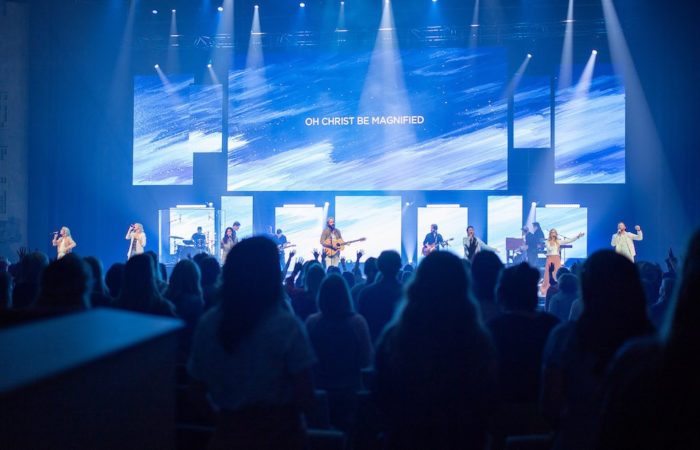
Then when the service starts, don’t watch the stage. Listen to the people around you. Hear what corporate worship actually sounds like from the floor. That sound is the whole point of what you do. You’ve probably forgotten what it sounds like up close.
Your team needs this from you too. A leader who has no personal experience of being led is eventually going to lose the point of leading. You’ll start optimizing for things that don’t matter and missing the things that do. The congregation will feel it before they can put a finger on it.
This isn’t a retreat from leadership. It’s the foundation of it.
Your primary calling was never platform leadership. It was discipleship. Worship. Being a person who loves God and lives in community with people who are trying to do the same thing. The platform is an overflow of that. When the overflow runs dry, you can’t refill it by doing more platform work.
Step down regularly, sit in the room you serve and let yourself be led.
The leaders who last a lifetime aren’t the ones who never stop. They’re the ones who figured out how to keep going back to the beginning. And understanding this is a good gift both to yourself and to your congregation.