Have you ever walked out of a worship service feeling like something was off, but you couldn’t quite name it?
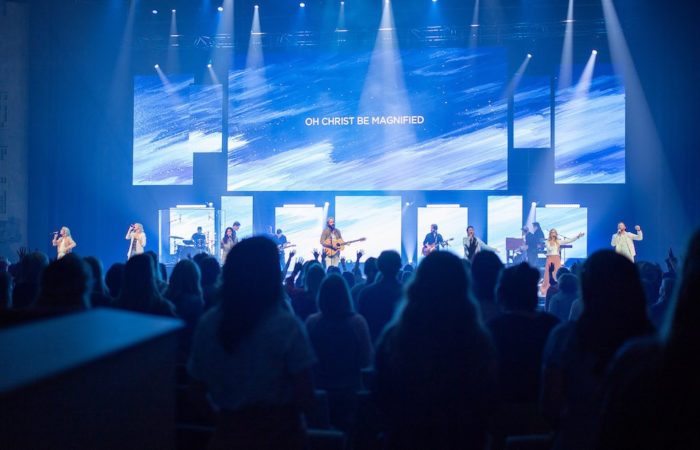
I mean, the band was tight and the lights hit just right. The sermon was practical and even a little funny. And yet there was this nagging sense that we’d all just attended a really good show instead of actually meeting with the living God.
That feeling has a name. And if you’re a worship leader, you’ve probably felt it too, standing on stage wondering why a room full of engaged, smiling people still feels so thin.
The Quiet Trade We Didn’t Mean to Make
Somewhere along the way, a lot of us swapped “what does Scripture actually call us to do on Sunday” for “what keeps people coming back.” We didn’t do it on purpose. Nobody sat in a staff meeting and voted to trade obedience for effectiveness. It happened gradually, one reasonable decision at a time. Shorten the prayer because people get restless. Skip the long Scripture reading because it doesn’t “land” the way a good video does. Smooth over confession of sin because we want church to feel like a relief, not a reminder.
Each choice made sense in isolation, but stacked together, they’ve quietly reshaped what we think worship even is.
Why This Actually Matters for Your People
This isn’t about being old fashioned or precious about liturgy for liturgy’s sake. It matters because our congregations are being formed by whatever we hand them week after week. If all they get is upbeat music and a motivational talk, that’s what they’ll believe Christianity is. Not a covenant people gathering to confess, hear from God, and be sent back out changed, but a vibe or a weekly boost.
For those of us leading worship, this is where it really hits close to home. When we let the collective human voice get buried under a stage band built for a solo performer’s range, we haven’t just made a musical choice. We’ve told the room their voice doesn’t matter as much as the sound coming off the platform. That’s a discipleship problem wearing a production problem’s clothes.
What Most Churches Try (Understandably)
Most churches aren’t trying to abandon anything sacred. They’re trying to remove friction. So prayer becomes a thirty second bridge between songs. Scripture gets reduced to a verse on a screen, just enough to anchor the sermon’s theme. Confession disappears entirely because leadership worries it will feel heavy, negative, off putting to a first time guest. And preaching drifts topical, hopping from book to book to build a case for this week’s practical takeaway.
It’s not laziness, it’s pragmatism. We’re asking “does this work” instead of “does this obey.” Those are two very different questions, and they lead to two very different Sundays.
Why That Approach Falls Short
The problem is, pragmatism can grow a crowd but it can’t grow depth. A service with no real confession skips the exact moment where grief over sin turns into genuine, overwhelming joy at being forgiven. Skip the ache and you skip the relief that makes the gospel feel like good news instead of just good advice. A congregation with no room to lament has no framework for suffering when it inevitably shows up at their door. And a room that is only sung at and never sings together forgets how to lift its own voice when the lights aren’t on and the band isn’t playing.
We built services that work really well at gathering people. We didn’t always build services that actually form them.
Try This Sunday
You don’t need to overhaul your whole service order this week. Rather, start small.
Let one prayer be long enough to actually name real needs, real sin, real thanksgiving, not just a transition. Read a full passage out loud, unedited, uninterrupted, and let it breathe before you explain it. If your church has quietly dropped confession, write one short corporate prayer of confession followed by a clear assurance of pardon. Say the gospel out loud to your people. And this Sunday, pull one fader down. Let the room hear itself sing. It will feel strange, and it might even feel a little empty for the first few bars, but let it. That empty space is where the congregation remembers their own voice matters.
None of this requires better musicians or a bigger budget. It requires leaders willing to trust that God’s ordinary means, the Word read, the Word preached, prayer offered honestly, sin confessed and forgiven, are still enough. They were enough for the church for two thousand years before we ever had a fog machine.
So if you’ve felt that nagging sense that something’s missing, trust it. It’s not nostalgia. It’s the Spirit nudging you back toward what actually forms a people, not just what fills a room. And that is a good gift.