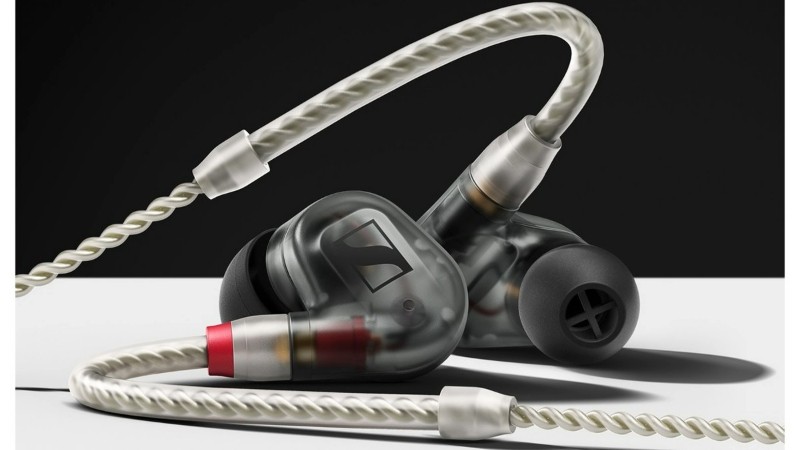
Have you ever watched a musician on your worship team wince the second you handed them in-ear monitors, like you’d just handed them a punishment instead of an upgrade?
I get it. Somewhere along the way, someone decided in-ears were the professional thing to do, the grown-up version of stage monitoring, and churches everywhere made the switch. But a whole lot of musicians silently hate them. They feel cut off from the room. The mix sounds flat and lifeless. Everything blurs together into a wall of noise instead of the clear, confident sound they were promised.
This problem matters more than it might seem. When a vocalist can’t hear themselves clearly, they oversing. When a guitarist feels isolated from the room, they get anxious and start guessing. And when your whole team is uncomfortable in their ears, that discomfort leaks straight into the congregation, whether or not anyone can put a finger on it.
The Isolation Your Team Is Feeling
Here’s what is actually happening. Floor wedges let musicians hear the whole room naturally, congregation and all. In-ears remove that entirely and replace it with whatever gets fed directly into two tiny speakers sitting in someone’s ear canal. If that mix is dry, cluttered, or unbalanced, your musician isn’t just uncomfortable, they’re being asked to lead worship while feeling like they’ve been dropped into a sealed box.
This isn’t a small technical inconvenience. Rather, it’s a confidence issue. And confidence on stage translates directly into freedom in worship, both for your team and for the people watching them lead.
What Most Teams Try First
Most churches respond to in-ear complaints in one of two ways, and neither one actually solves the problem.
Some teams just crank the volume, assuming louder equals better, but it doesn’t. It just means everyone is now uncomfortably loud in an already cluttered mix, and hearing damage becomes a very real long term risk.
Other teams throw money at cheap consumer earbuds and call it solved. But if the seal in the ear canal isn’t complete, low end disappears entirely, which pushes musicians to crank the volume even higher just to feel any bass at all. The gear alone was never the whole fix.
Why That Approach Falls Short
The real issue usually isn’t volume or hardware, it’s mixing philosophy. A great in-ear mix requires the same discipline as building a good song arrangement. You can’t just dump every channel into someone’s ears at full volume and call it a mix. That’s not mixing, that’s noise.
A dry, roomless mix also feels unnatural because it is unnatural. Real acoustic spaces have reflection and depth. Strip that away completely and even a technically perfect mix will feel sterile and disconnected, which is exactly the complaint musicians keep bringing to you.
Try This Sunday
Start with panning. Spread your guitars, keys, and background vocals across the stereo field instead of centering everything. Keep it moderate, nothing needs to be hard left or hard right, but give instruments room to breathe apart from each other. Meanwhile keep the anchors, kick, snare, bass, lead vocal, and each musician’s own instrument, centered so nothing feels lost or wandering.
Add a touch of reverb back into the mix, especially on vocals. Dial it in until it’s noticeably there, then pull back slightly until it feels natural rather than obvious. This single move does more to fix that dead, dry feeling than almost anything else.
If your setup allows it, place a room mic or two facing the congregation and blend a little of that signal into every mix. Suddenly your musicians can hear the room singing again, and that connection changes everything about how confident they feel leading.
High pass every vocal channel somewhere around 150 to 200 Hz. This clears out low end rumble and proximity buildup that muddies the whole mix, and you can always bring a little warmth back in later if a voice starts sounding thin.
Build the mix in layers instead of dumping everything in at once. Start with click or guide track, kick and snare, bass, and lead vocal. Get those locked in first, then layer in everything else. Resist the urge to include every input at full volume just because it’s available.
And finally, invest in earpieces that actually seal properly. A complete seal preserves low end and keeps volume levels reasonable, which protects your team’s hearing for the long haul. This doesn’t have to mean custom molds right away, even a solid step up from basic earbuds makes a real difference.
None of this is about chasing a fancier sound for its own sake. When your team can hear themselves and each other clearly, when the mix feels spacious instead of cluttered, their whole posture on stage changes. Less strain, less guessing, more freedom to actually lead instead of just survive the set. And that freedom, passed from your team straight into the congregation, is a good gift.