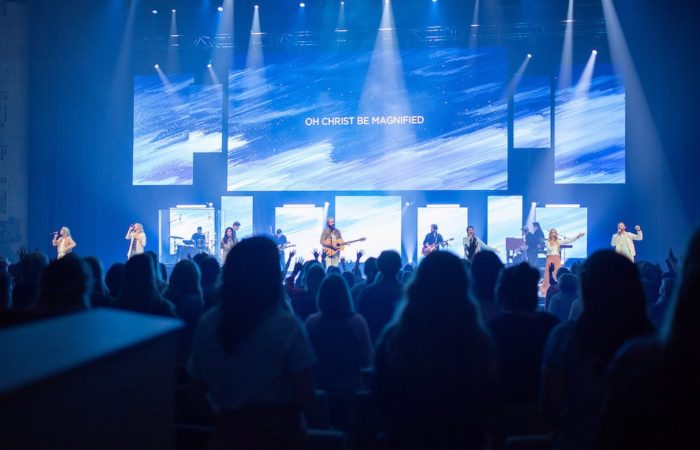
Have you ever scrolled through your church’s Facebook page and realized every single photo is of the stage?
The band, the lights, the sermon title slide with the cool font. And, sure, it looks great. But it looks like a concert venue, not a place where a lonely person might finally exhale.
But we get this feeling. We want our churches to grow, but deep down we are convinced it costs money we do not have for a new staff hire, a paid ad campaign, or building expansion. So we shrug, keep doing what we are doing, and hope the Holy Spirit sends a crowd.
But growth rarely starts with a budget line. It starts with a posture. And that is good news for every worship leader who has ever stared at a shoestring budget and sighed.
Why Church Growth Starts With First-Time Guests
You and I know exactly where the coffee is, which door sticks, and when to stand during the second song. A first-time guest knows none of it. They are scanning for the restroom, wondering if they dressed wrong, and deciding within minutes whether they will ever come back.
And you are often the first face they truly see. You are on the platform, setting the tone before a single sermon point lands. That is a holy kind of pressure, and it is also a holy kind of opportunity. Strangers are walking into our sanctuaries every week. The question is whether we are actually inviting them in, or just standing near the door.
What Most Churches Try (And Why It Lacks Any Real Impact)
When growth stalls, we reach for the big, shiny solutions. We plan the community fall festival. We hire a communications person. We boost a post and cross our fingers. We add a bigger screen and a few more moving lights.
Nothing against any of those things, but most of them are what can be called the selfie approach. Our messaging talks about our programs, our staff, our services, and our schedule. It is a church-shaped mirror, and a visitor looking at a mirror sees only us.
Standalone events carry their own trap. They are expensive, they exhaust the same faithful volunteers, and they often attract people who already know us. We burn out our best people to throw a party for ourselves. Probably not the best place to blow the budget.
Speak to People, Not About Programs
So what if we flipped the camera around?
Instead of announcing that we are a friendly church, which every church on earth claims, tell people they will find real friends here. Instead of listing the dates and speakers for a youth event, describe teenagers building character and finding friendships that actually hold. Instead of explaining the curriculum of a money class, paint the picture of life after debt. Same ministry. Completely different invitation.
The same goes for pictures. Choose photos of real people laughing, praying, and hugging in the lobby over photos of the soundboard. People do not fall in love with a stage, they fall in love with belonging.
Church Hospitality That Welcomes Visitors, Not Just Members
Welcoming people we already know is easy. Welcoming people we have never met takes intention. And for many, this is much more difficult.
And small churches, bless them, can feel more intimidating than large ones. When everyone knows everyone, a newcomer can feel like they walked into somebody else’s family reunion. Nobody means to be cold. It just happens when our eyes stay on our own people. Boy, have I felt this one. Thankfully, it turned out the small church congregation I was visiting was also very friendly and welcoming once they got over the shock of a new face.
So place your warmest people where guests will actually meet them. You do not need a personality test or a three-week training course. You already know who lights up when a stranger walks in. Put them at the doors and the welcome desk. Give them permission to step forward, introduce themselves, and walk a new family to the kids’ check-in. Then get out of their way. Gifted welcomers live out warm acceptance before the first chord is played.
Design Your Church Website for the Person Who Has Never Been Here
Let me say something about the homepage. It is not for you.
Your members have the bulletin, the newsletter, and the weekly email. The homepage belongs to the person searching late at night for a church. They want to know when you meet, where to park, what to wear, how long it lasts, and what happens with their kids. That is it.
So clear out the volunteer sign-up lists, the internal calendar, and the deacon-on-call schedule. Answer those honest visitor questions right up front. And give them one clear next step. A simple “Plan a Visit” button does more than ten competing links ever will.
Equip Your Congregation to Invite Others
We love to encourage. From the pulpit, we say, “Invite your neighbors!” And everyone nods. And nothing happens.
Encouragement without tools is just a nice speech. Paul described the work of church leaders as equipping God’s people to do His work, and equipping means putting something in their hands. Print simple invitation cards for your next series and teach people when and how to hand them out. Better yet, make it easy online. Write the social media post for them, design the graphic, and send it straight to their phones. Remove the friction and watch people share.
Partner With Community Events Instead of Hosting Your Own
Remember the burned-out volunteers? There is a better way.
Your town probably already has a festival, a school fundraiser, or a city cleanup day. Show up and serve. Offer hands, tables, water bottles, and a good attitude. You build real relationships without producing a single event from scratch. Serving alongside your community builds bridges in a way nothing else can, and it costs far less than another bounce house.
Try This Sunday
Pick just one. Not all five.
Before this weekend, ask your team to name one person who naturally welcomes strangers, and invite them to greet at the main entrance. Or rewrite one announcement so it speaks to a person’s need instead of your program. Or open your homepage on your phone and ask honestly, “Would a stranger know what to do next?”
Small shifts in culture grow churches far more than large shifts in spending. People are looking for a place where they are seen, wanted, and welcomed. Your church can be exactly that, with the budget you already have.
And that, my friend, is a very good gift.