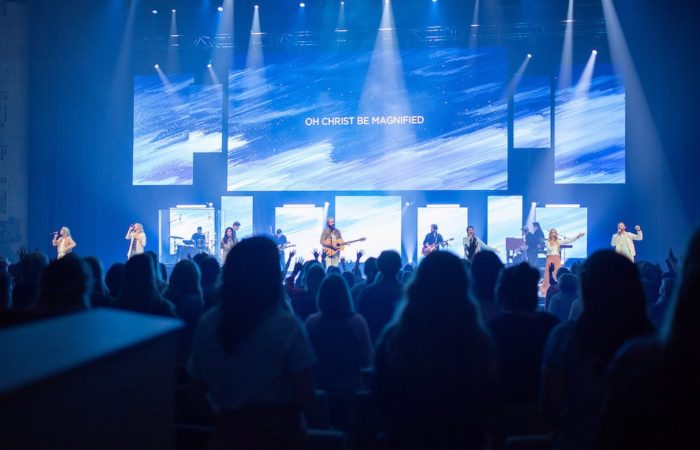
Fall can be one of the most exciting seasons in church life. But it can also be one of the quickest ways to wear out your staff and volunteers before the Christmas season even begins. There are ministry kickoffs, community outreach opportunities, fall festivals, special gatherings, and all the things we want to accomplish before the end of the year. And somewhere in the middle of planning it all, your worship team is still preparing for Sunday, rehearsing new music, and getting ready for the holidays.
The problem isn’t that churches have too many good ideas. It’s that good ideas need thoughtful planning if they’re going to become meaningful experiences for people. A successful fall event doesn’t happen because everyone works harder at the last minute. It happens because the right people have the right information, enough time to prepare, and room to serve with joy.
Start Your Fall Event Planning Before the Calendar Fills Up
Fall has a way of sneaking up on us. One minute we’re enjoying summer, and the next we’re trying to coordinate three events, a ministry launch, and the beginning of Christmas preparations. That’s why planning two to three months ahead can make such a difference.
Look at your church calendar alongside school schedules, community events, and major holidays. Check for conflicts before settling on a date, and make sure every ministry department knows what’s coming.
This is especially helpful for worship leaders. If an event requires musicians, sound support, special lighting, or additional rehearsals, your team needs to know early enough to plan well. A little advance communication can save a lot of unnecessary stress.
Give Your Church Team Permission to Say No
One of the biggest challenges in fall planning is knowing when to stop adding things. Churches are full of creative people with great ideas. And because those ideas often come from a genuine desire to serve the community, it can feel difficult to turn any of them down. But a full calendar isn’t necessarily a fruitful one.
When every weekend includes another activity, staff and volunteers have less energy to give each gathering their best. And by the time Thanksgiving and Christmas arrive, the people leading worship, welcoming guests, caring for children, and managing technical details may already be exhausted.
Choose the events that matter most. Give those gatherings the attention they deserve, and protect some breathing room for your team. White space isn’t wasted ministry time. It’s part of creating a healthy ministry culture.
Make Sure Someone Owns the Details
Have you ever been part of an event where everyone thought someone else was handling an important detail? It’s frustrating. And usually avoidable.
Every event needs a clear point person who oversees the plan and makes sure responsibilities are assigned. That person doesn’t have to do everything, but they should know who’s doing what and when it needs to happen.
Communication across departments matters, too. Facilities, communications, children’s ministry, and technical teams all need to be included early. For worship leaders, this means clarifying what your team is being asked to provide. Is there live music? Will you need additional sound equipment? Is the event outdoors? Are there special lighting or staging needs? Don’t let those questions wait until the week of the event.
Prepare the Space, Technology, and Volunteers
A great event idea still needs a practical plan. Walk through the space and think about parking, room layouts, guest flow, and transitions between indoor and outdoor activities. Talk with your audio, video, and lighting teams about equipment, power needs, staging, and setup time.
Then turn your attention to volunteers. Begin recruiting at least a month ahead. Give people clear expectations and match responsibilities with their strengths. Someone who enjoys welcoming guests may be perfect for the front entrance, while someone with technical experience may be better suited to equipment support.
And consider rotating volunteer schedules so people have an opportunity to enjoy the event with their families. Our volunteers aren’t simply resources to fill open positions. They’re people we’re called to care for.
Tell People Exactly What They’re Being Invited To
A catchy event name might get someone’s attention, but specific details help them decide to come. Instead of simply promoting a fall festival, tell people what they’ll experience. Share the schedule, activities, food options, and other details that make the invitation feel tangible.
Use a combination of social media, church apps, printed invitations, school flyers where permitted, and personal invitations from your congregation. Give your church members something specific they can share with a neighbor or coworker. The easier it is to explain the event, the easier it is to invite someone.
Plan the Follow-Up Before the First Guest Arrives
An event shouldn’t be the end of the conversation. It can be the beginning of one. Think ahead about how guests can connect with your church. A QR code, photo station, connection card, or simple giveaway can provide a low-pressure opportunity for people to share their information.
Assign someone to oversee follow-up, and aim to reach new visitors within 72 hours. A friendly, personal message can help turn a one-time visit into an ongoing relationship.
Make Fall a Season Your Team Can Enjoy
As worship leaders, we’re often focused on making sure everything is ready for the next service or event. But the people serving alongside us matter just as much as the plans we’re trying to accomplish.
So take a fresh look at your fall calendar. Start early, simplify where you can, clarify responsibilities, and make sure your volunteers have the support and breathing room they need.
The goal isn’t simply to pull off another successful church event. It’s to create meaningful opportunities for people to connect while building a ministry culture where serving remains joyful. Because being given the margin to welcome others well without wearing out the people who make it happen is a good gift.