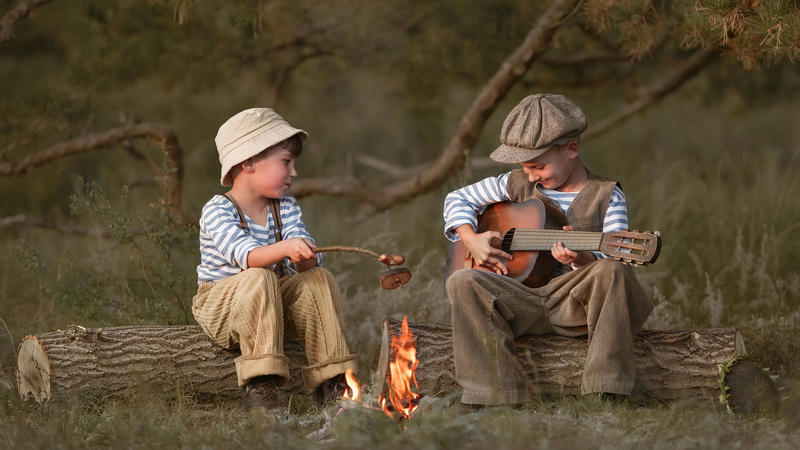
Every children’s ministry leader faces the same challenge. Children love fun songs. They respond to energy, motions, repetition, and excitement. The songs that get the biggest reactions are often the ones that seem to guarantee engagement.
Yet there is an important question beneath that reality. What songs will these children still remember twenty years from now?
Many adults can still recall songs they learned in church as children, even if they have not heard them in decades. The melodies remain. The lyrics resurface unexpectedly during difficult seasons, moments of worship, or times when they need reassurance about God’s faithfulness. Music has a unique ability to lodge truth deep within the heart and memory.
That reality should shape how worship leaders think about song selection for children.
Long before children can explain theology, they are absorbing it through song. Every lyric teaches something about who God is, what He has done, and how He relates to His people. Songs become one of the earliest forms of discipleship many children experience.
This matters because childhood worship music often becomes part of a person’s spiritual foundation. The truths learned through repetition during the early years can provide stability and confidence long after childhood has passed. When life becomes complicated, the simple truths hidden in familiar songs often remain accessible.
The Problem With a Short-Term Mindset
Unfortunately, many churches unintentionally adopt a short-term approach to children’s worship music. Programs, camps, and special events frequently rely on songs designed for a specific theme or season. These songs may be highly engaging in the moment, but they often disappear as soon as the event ends.
There is nothing inherently wrong with fun songs or event-specific music. The problem emerges when novelty becomes the primary strategy. If children spend all their worship time learning songs they will never sing again, they miss opportunities to build a lasting catalog of faith-forming truths.
Another challenge appears when children’s worship becomes completely disconnected from congregational worship. Children learn one set of songs in their classrooms while the broader church sings an entirely different set in the sanctuary. As a result, when children participate in corporate worship, they often feel like observers rather than participants.
Building a Shared Worship Language
A better approach is to intentionally create overlap between children’s ministry and the worship life of the church.
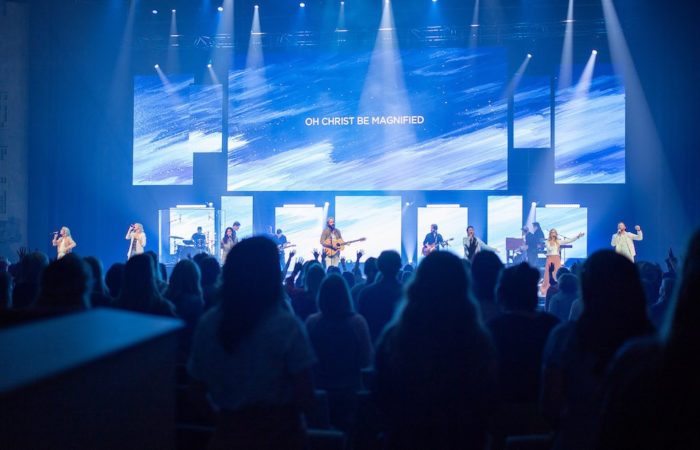
When children regularly learn songs that are also sung in corporate worship, something powerful happens. They begin recognizing familiar lyrics and melodies during church services. Instead of standing quietly and trying to follow along, they engage with confidence because the songs already belong to them.
This shared musical language helps children understand that they are not simply preparing to become part of the church someday. They are already valued members of the body of Christ. Singing alongside parents, grandparents, mentors, and church leaders reinforces a sense of belonging that extends far beyond the children’s ministry environment.
One practical strategy is to identify several key worship songs from the church’s regular rotation and intentionally incorporate them into camps, special events, midweek programs, and children’s worship gatherings. Repetition across multiple settings increases familiarity while strengthening the connection between children’s ministry and congregational worship.
Four Questions to Ask When Choosing Songs
Of course, not every popular worship song is automatically a good fit for children. Song selection should be filtered through several important questions.
1. Is It Theologically Rich?
First, consider theological depth. Does the song communicate clear truths about God’s character, His promises, and His work throughout Scripture? Children need songs that help them develop a strong understanding of who God is.
2. Is It Easy to Understand?
Second, evaluate accessibility. Can young children understand the primary message? Songs do not need to be simplistic, but the central ideas should be clear enough for children to grasp and remember.
3. Is It Easy to Sing?
Third, think about singability. Children benefit from melodies that fit developing voices and rhythms that are easy to follow. Complex arrangements that work well for adults can sometimes create unnecessary barriers for young worshippers.
4. Is It Joyful?
Finally, do not overlook joy. Children should enjoy singing. The best worship songs for kids often combine meaningful theology with opportunities for movement, expression, and participation. When children are engaged physically and emotionally, they are more likely to remember what they are singing.
Reinforcing Truth Beyond Sunday
Physical movement can be especially powerful. Hand motions, actions, and other forms of participation connect lyrics to muscle memory. Many children remember motions years after they forget a lesson outline or classroom activity. When movement reinforces biblical truth, the learning becomes even more durable.
Parents can also play an important role in extending these songs beyond church walls. Sharing worship playlists with families creates opportunities for repetition during everyday moments. Songs that play during car rides, bedtime routines, or family activities become part of the rhythm of home life.
This kind of consistent exposure helps transform worship music from an occasional church activity into a familiar soundtrack for spiritual growth.
Choosing Songs That Last
As you plan your next children’s worship set, consider looking beyond what will generate the biggest response this week. Ask what truths you want children carrying with them ten, twenty, or even fifty years from now.
The songs children sing today may become the songs that strengthen their faith tomorrow. Choosing them carefully is not just a matter of programming. It is an investment in lifelong spiritual formation.
And that is a very good gift to your smallest brothers and sisters in Christ.